
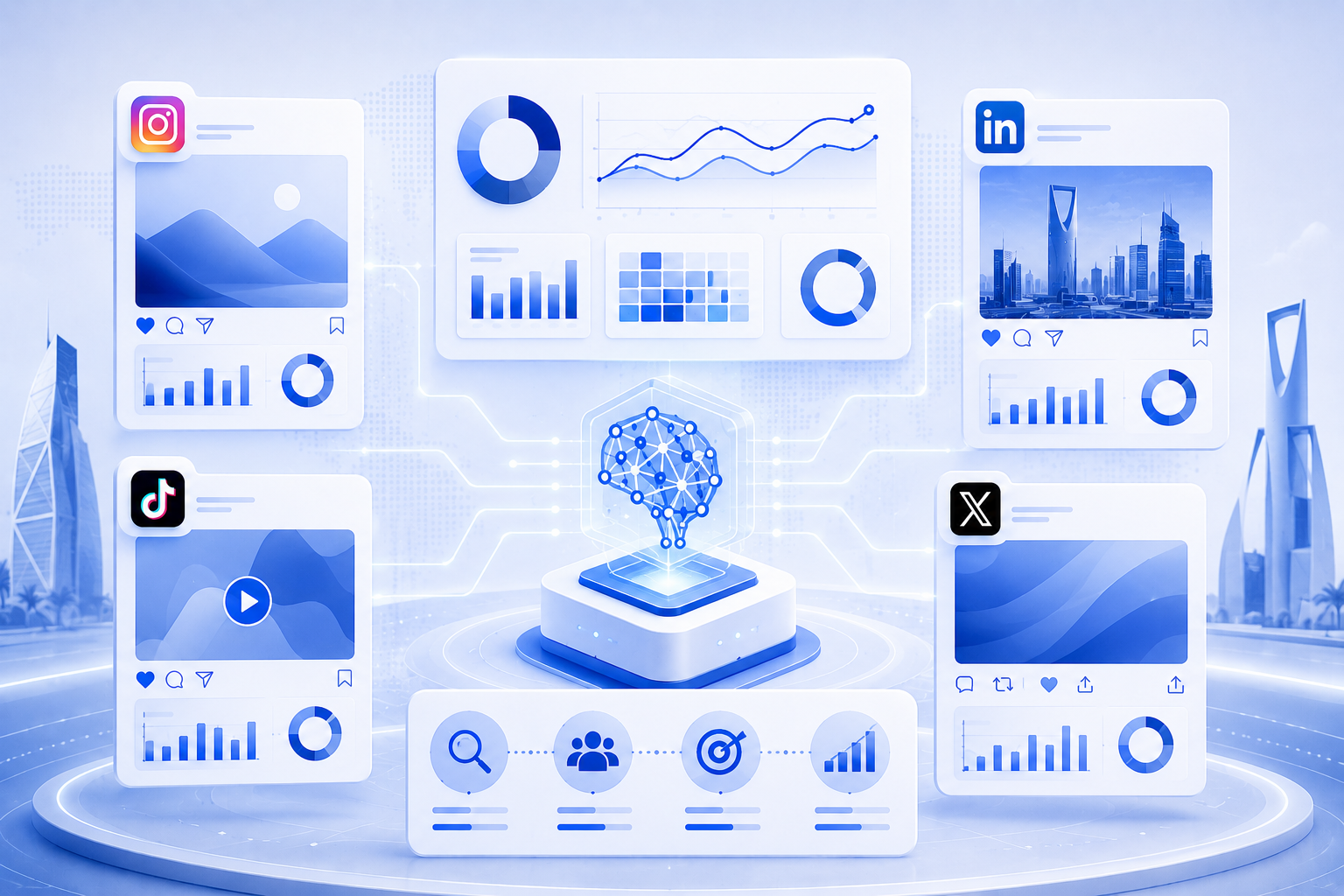
Social Media Algorithms 2026: How to Increase Reach and Engagement
Have you ever wondered why some social media posts go viral while others struggle to gain visibility? Many people assume success depends entirely on follower count or advertising budgets. In reality, one of the biggest factors behind content performance is understanding how social media algorithms work. In 2026, social media algorithms have become more sophisticated than ever before. They no longer rely solely on likes or posting times. Instead, they analyze audience behavior, engagement quality, watch time, relevance, and user interests to determine which content deserves greater exposure. For businesses and marketers, understanding these systems is no longer optional. It has become an essential part of building a successful digital marketing strategy. When brands understand how algorithms prioritize content, they can create posts that resonate with audiences, encourage meaningful engagement, and contribute to measurable business growth. In this guide, we explore how social media algorithms function in 2026 and how businesses can adapt their strategies to improve reach, increase engagement, and strengthen their online presence.What Are Social Media Algorithms?
Social media algorithms are intelligent systems used by platforms to determine which content appears in users’ feeds. Because millions of posts are published every day, platforms cannot show everything to everyone. Algorithms help prioritize content based on what users are most likely to find valuable and engaging. These systems evaluate a variety of signals, including:- Previous interactions with similar content.
- Accounts users frequently engage with.
- Time spent consuming specific content formats.
- Saved and shared posts.
- Search behavior within the platform.
- Early engagement performance.
Understanding algorithms is not about manipulating platforms. It is about creating content that genuinely serves audience needs.
How Have Social Media Algorithms Evolved in 2026?
Several years ago, many platforms relied heavily on chronological feeds and basic engagement metrics such as likes and comments. Today, artificial intelligence and machine learning play a much larger role in content distribution. Modern algorithms now consider:- Audience retention.
- Meaningful interactions.
- Content originality.
- Long-term user interests.
- Predicted relevance.
How Does the Instagram Algorithm Work?
Instagram prioritizes content that users are most likely to interact with based on previous behavior. The platform evaluates signals such as:- Past interactions with specific accounts.
- Likes, comments, and shares.
- Post saves.
- Watch time on Reels.
- Early engagement after publishing.
How Does the X Algorithm Work?
The X platform combines recency with relevance to determine what users see. Its algorithm considers factors such as:- Reposts.
- Meaningful replies.
- Clicks and interactions.
- Time spent engaging with posts.
- Topical relevance.
How Does the TikTok Algorithm Work?
TikTok remains one of the most sophisticated recommendation systems among social media platforms. Unlike traditional networks, TikTok places greater emphasis on audience behavior rather than follower counts. Important ranking signals include:- Video completion rates.
- Audience retention.
- Repeated views.
- Shares and comments.
- Saves and favorites.
- Interactions with similar content.
On TikTok, attention is the most valuable currency. The longer viewers stay engaged, the greater the opportunity for growth.
How Does the LinkedIn Algorithm Work?
LinkedIn operates differently from most social media platforms because its primary objective is to encourage professional conversations and knowledge sharing. Rather than rewarding entertainment alone, LinkedIn prioritizes content that provides value, sparks meaningful discussions, and helps professionals learn from one another. The algorithm evaluates several factors, including:- Relevance to the audience’s professional interests.
- The quality and depth of comments.
- Early engagement during the first few hours after publishing.
- The amount of time users spend reading the content.
- The consistency and expertise demonstrated by the content creator.
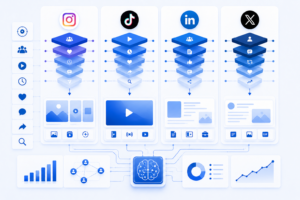
Each social media platform prioritizes different engagement signals.
Why Should Marketers Understand Social Media Algorithms?
Many marketers view algorithms as barriers that limit visibility. In reality, algorithms simply aim to present users with content they are most likely to appreciate. Understanding these systems allows businesses to align their content strategies with both audience expectations and platform priorities. Marketers who understand how algorithms work can:- Increase organic reach.
- Improve engagement rates.
- Generate higher returns from content investments.
- Reduce dependence on paid advertising alone.
- Make more informed, data-driven decisions.
Practical Strategies to Increase Reach in 2026
1. Focus on Delivering Value
Content that educates, inspires, or solves problems consistently performs better than purely promotional material. Rather than asking, “What do we want to say?” businesses should ask, “What does our audience need to know?”2. Encourage Early Engagement
The first few minutes and hours after publishing often influence how algorithms evaluate content performance. Businesses can encourage early engagement by:- Asking thoughtful questions.
- Inviting audiences to share opinions.
- Responding promptly to comments.
- Encouraging saves and shares.
3. Maintain Consistency
Consistency helps platforms better understand the nature of an account and the audiences most likely to engage with it. Consistency does not necessarily mean posting daily. It means following a sustainable publishing schedule while maintaining quality.4. Use Analytics to Guide Decisions
Social media platforms provide valuable insights into content performance. Reviewing these metrics helps marketers identify:- High-performing content formats.
- Optimal publishing times.
- Audience interests.
- Patterns that contribute to stronger engagement.
5. Prioritize Original Content
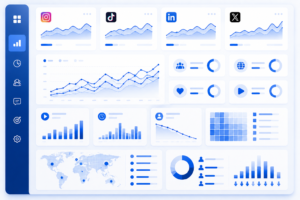
Modern algorithms increasingly reward originality. Businesses that contribute unique perspectives, practical expertise, and authentic experiences are more likely to build loyal communities and improve visibility.Algorithms evolve constantly, but audiences consistently value content that is relevant, useful, and authentic.Analytics provide valuable insights for improving social media performance.
Common Mistakes That Reduce Content Reach
In many cases, declining performance is not caused by algorithms themselves but by content practices that negatively influence audience engagement.Over-Promoting Products and Services
Users visit social media platforms to learn, connect, and be entertained. Excessive promotional messaging can reduce interest and engagement over time. Successful brands balance promotional content with educational and community-focused material.Ignoring Audience Interactions
Responding to comments and participating in conversations signals that an account is active and invested in its audience. Engagement should be viewed as a two-way relationship rather than a one-sided broadcasting activity.Publishing Without Understanding the Audience
Even well-designed content may fail if it does not address audience interests and needs. Businesses should regularly analyze audience behavior and adjust their strategies accordingly.Neglecting Visual Quality
Strong visual presentation contributes to improved retention and higher interaction rates. Investing in high-quality creative assets can significantly improve performance across platforms.Relying on a Single Content Format
Audience preferences evolve continuously. Testing different formats helps identify new opportunities for engagement. Examples include:- Short-form videos.
- Educational carousels.
- Infographics.
- Polls.
- Text-based insights.
Analytics Tools That Support Better Decision-Making
Successful social media strategies rely heavily on data rather than assumptions. Analytics tools provide valuable insights that help marketers understand what is working, identify areas for improvement, and make informed decisions. Instead of relying on guesswork, businesses can use performance metrics to continuously optimize their content and maximize their return on investment.1. Native Platform Analytics
Most social media platforms offer built-in analytics dashboards that provide essential performance data. These insights typically include:- Reach and impressions.
- Engagement rates.
- Audience demographics.
- Video completion rates.
- Top-performing content.
- Follower growth trends.
2. Content Scheduling Tools
Content scheduling platforms improve efficiency and support long-term planning. These tools allow marketers to organize publishing calendars, monitor performance, and maintain consistency across multiple platforms. Popular options include: Beyond scheduling, these platforms often provide valuable reporting features that simplify performance tracking.3. Trend Monitoring Tools
Understanding audience interests is essential for creating relevant content. Trend analysis tools help businesses identify emerging topics and conversations that align with their industries. Examples include:- Google Trends.
- Trendinalia.
- Native trending features within social platforms.
How to Build a Social Media Strategy That Aligns with Algorithms
Rather than chasing every algorithm update, businesses should focus on principles that consistently contribute to long-term success. These principles remain effective regardless of how individual platforms evolve. An effective strategy should include:- A clear understanding of the target audience.
- Consistent delivery of valuable content.
- Active participation in audience conversations.
- Regular analysis of performance metrics.
- Continuous testing and optimization.
- A balance between short-term engagement and long-term brand building.
Algorithms may change, but audiences consistently reward authenticity, relevance, and value.Social media algorithms have become one of the most influential factors in digital marketing success. Understanding how these systems operate enables businesses to improve reach, strengthen engagement, and build stronger relationships with their audiences. In 2026, success is no longer determined solely by follower counts. Instead, it depends on the ability to create relevant, valuable, and engaging content that captures attention and encourages meaningful interactions. By focusing on quality, consistency, and data-driven decision-making, organizations can achieve sustainable growth across social media platforms. At WIDE, we help businesses develop social media strategies aligned with modern platform algorithms to improve visibility, increase engagement, and turn followers into customers. If your organization is looking to strengthen its digital presence, now may be the right time to evaluate your current approach and build a more effective strategy for the future.
FAQ
What are social media algorithms?
Social media algorithms are intelligent systems used to determine which content users see based on their interests, behaviors, and previous interactions.Can businesses increase reach without paid advertising?
Yes. High-quality content, audience engagement, consistent publishing, and performance optimization can significantly improve organic reach.Do algorithms differ across platforms?
Absolutely. Each platform relies on unique ranking signals designed to support its specific objectives and user experiences.Are hashtags still important in 2026?
Yes, but they play a supporting role. Content quality, audience retention, and meaningful engagement generally have a greater impact on performance.How can marketers measure success?
Success should be evaluated using metrics such as reach, engagement rates, audience retention, conversions, and progress toward business objectives.How often should businesses review their social media performance?
While key metrics should be monitored regularly, conducting a comprehensive performance review on a monthly basis can help identify trends and guide strategic improvements.Related Social Media Marketing Articles
Explore more articles about influencer marketing, content strategy, and social media growth.
Types of Influencers: How to Choose the Right One for Your Brand
How to Improve Content Marketing ROI
Social Media Algorithms 2026: How to Increase Reach and Engagement
How to Choose a Social Media Management Company in Saudi Arabia
What Is Engagement in Digital Marketing and How Can It Turn Into Real Leads?
The Icarus Trap in AI Marketing: Why Businesses Start Strong but Eventually Lose Their Marketing Momentum