

How Content Marketing Increases ROI: A Guide for Growing Businesses
Why Content Marketing Has Become a Strategic Investment
In today’s digital landscape, consumers are more informed, more selective, and less responsive to traditional advertising than ever before. Before making a purchasing decision, people compare solutions, read reviews, search for answers, and evaluate brands based on the value they provide. This shift in consumer behavior has transformed content marketing from an optional tactic into a critical component of long-term business growth. Rather than focusing solely on direct promotion, content marketing helps businesses educate their audiences, build trust, and establish meaningful relationships that influence purchasing decisions over time. At WIDE, we believe that content is not simply a collection of blog posts or social media updates. It is a strategic business asset capable of attracting qualified prospects, strengthening brand credibility, and generating measurable returns.Effective content doesn’t just capture attention. It builds confidence, influences decisions, and drives action.
Relevant content guides potential customers through awareness, consideration, and decision-making stages.
What Is Content Marketing?
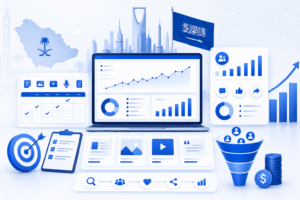
Content marketing is the process of creating and distributing valuable, relevant, and consistent content designed to attract, engage, and retain a clearly defined audience. Its purpose extends beyond visibility. The ultimate goal is to encourage profitable customer actions while delivering genuine value throughout the customer journey. Content marketing can take many forms, including:- Educational blog articles.
- Industry guides and whitepapers.
- Case studies and success stories.
- Videos and webinars.
- Infographics.
- Email newsletters.
- Interactive content experiences.
- Social media content.
Why Has Content Marketing Become More Important?
Competition across digital channels continues to increase. Businesses are investing heavily in advertising, customer acquisition costs are rising, and consumers have access to more information than ever before. As a result, organizations are looking for sustainable marketing approaches capable of delivering long-term value. Content marketing provides exactly that. Unlike paid advertising campaigns that often stop generating results once the budget ends, high-quality content can continue attracting traffic, generating leads, and supporting sales long after publication. A well-optimized article can rank in search engines for months or even years, becoming a continuous source of qualified visitors. This does not mean content replaces paid media entirely. Instead, the most successful businesses combine both approaches to balance short-term performance with long-term growth.Understanding Content Marketing ROI
Return on Investment (ROI) measures the value generated from marketing activities relative to the resources invested. In content marketing, ROI helps businesses determine whether their content efforts contribute meaningfully to organizational objectives. However, measuring content ROI extends beyond direct revenue generation. Content can also produce value by:- Increasing qualified lead volume.
- Improving brand awareness.
- Strengthening customer trust.
- Supporting search engine visibility.
- Enhancing customer engagement.
- Reducing customer acquisition costs over time.
How to Build a Content Marketing Strategy That Maximizes ROI
Creating content without a clear strategy often leads to inconsistent results and wasted resources. Businesses that achieve meaningful outcomes through content marketing typically follow a structured approach aligned with their goals, audience needs, and long-term growth objectives. Rather than publishing content simply to maintain activity, successful organizations create content with a clear purpose and measurable outcomes in mind.Start With Clear Business Objectives
Before producing any type of content, businesses should define what they want to achieve. Common objectives include:- Generating qualified leads.
- Increasing brand awareness.
- Improving organic search visibility.
- Supporting sales teams.
- Strengthening customer relationships.
- Driving revenue growth.
Understand Your Audience Deeply
One of the most common mistakes businesses make is creating content based on assumptions rather than genuine customer insights. Effective content strategies begin with understanding the audience’s challenges, questions, motivations, and decision-making processes. Consider the following questions:- What problems are potential customers trying to solve?
- What information are they searching for?
- What concerns prevent them from taking action?
- Which channels do they use most frequently?
- What factors influence their purchasing decisions?
Focus on Search Intent Rather Than Keywords Alone
Modern search engines have evolved significantly. Ranking success no longer depends solely on repeating keywords throughout an article. Instead, businesses should prioritize understanding the intent behind user searches. For example, someone searching for “how to measure content marketing ROI” is likely seeking educational information, while a person searching for “content marketing agency” may be much closer to making a purchasing decision. Recognizing these differences enables businesses to create content that supports prospects throughout the entire customer journey.Select the Right Content Formats
Different content formats serve different purposes. Blog articles can help improve search visibility and establish thought leadership. Case studies provide evidence of expertise and demonstrate measurable results. Video content can simplify complex topics and increase audience engagement. Downloadable guides may support lead generation efforts by encouraging visitors to exchange their contact information for valuable resources. Infographics can present information in a visually appealing and highly shareable format. A balanced content mix enables businesses to engage audiences through multiple touchpoints and learning preferences.Create a Sustainable Publishing Schedule
Consistency often produces better outcomes than intensity. Many organizations begin with ambitious publishing goals that become difficult to maintain over time. Instead of prioritizing quantity, businesses should focus on creating high-quality content on a realistic schedule. Publishing fewer pieces with greater depth and relevance frequently delivers stronger long-term performance than producing large volumes of low-value content. A sustainable approach also allows teams to allocate sufficient time for research, optimization, and ongoing improvements.Adapt Content to Local Market Needs
Businesses operating in different markets should avoid assuming that a single approach works universally. Audience expectations, cultural preferences, and communication styles vary significantly across regions. Content should reflect the realities and priorities of the specific market being targeted. Using relevant examples, practical insights, and language that resonates with local audiences helps strengthen credibility and improve engagement.Develop a Smart Distribution Strategy
Creating exceptional content is only part of the equation. Effective distribution determines whether that content reaches the right audience. Businesses should identify the channels most relevant to their customers and adapt content appropriately for each platform. Distribution channels may include:- Organic search.
- Email marketing.
- LinkedIn.
- X (formerly Twitter).
- Instagram.
- Paid advertising campaigns.
Plan for Conversion From the Beginning
Even highly informative content may fail to deliver business impact if it does not encourage the audience to take the next step. Every piece of content should guide users toward a logical action aligned with business goals. Examples include:- Requesting a consultation.
- Downloading a resource.
- Subscribing to a newsletter.
- Contacting the sales team.
- Scheduling a discovery call.
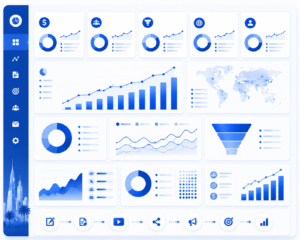
Performance analytics enable businesses to optimize their content strategy and improve ROI.
How to Measure Content Marketing Performance and Calculate ROI
One of the greatest advantages of digital marketing is the ability to measure results with a high degree of accuracy. However, many businesses focus on vanity metrics such as page views or social media likes while overlooking the indicators that truly reflect business impact. While website traffic and engagement are important, they do not automatically translate into growth. The real question businesses should ask is whether their content contributes to meaningful outcomes such as lead generation, revenue growth, and stronger customer relationships. This is where measuring Return on Investment (ROI) becomes essential.What Does ROI Mean in Content Marketing?
Return on Investment refers to the value generated from content marketing activities compared to the resources invested in creating and distributing that content. In simple terms, businesses need to determine whether the outcomes achieved justify the time, budget, and effort dedicated to their content initiatives. Although direct revenue is an important component of ROI, content marketing often influences purchasing decisions in less obvious ways. Its impact may also be reflected through:- Higher lead generation volumes.
- Improved search visibility.
- Greater brand awareness.
- Stronger audience trust.
- Increased engagement levels.
- Reduced customer acquisition costs over time.
How to Calculate Content Marketing ROI
The standard ROI formula can be applied to content marketing efforts:For example, if a business invests in content creation, promotion, and distribution activities that eventually contribute to measurable sales growth, the resulting revenue can be compared against the initial investment to determine profitability. However, businesses should recognize that content marketing often delivers value gradually rather than immediately. Search engine optimization initiatives, educational content, and authority-building assets frequently require time before producing their full impact.ROI = (Revenue Generated – Investment Cost) ÷ Investment Cost × 100
Key Metrics That Matter
Instead of relying on a single indicator, businesses should monitor multiple performance metrics to gain a comprehensive understanding of content effectiveness.Qualified Leads Generated
If lead generation is a primary objective, tracking the number of qualified prospects generated through content becomes critical. Understanding which pieces of content attract potential customers can help organizations prioritize future investments more effectively.Conversion Rate
Traffic alone is not enough. Businesses should also evaluate how effectively content encourages visitors to take meaningful actions. Conversions may include:- Submitting inquiry forms.
- Requesting consultations.
- Downloading resources.
- Subscribing to newsletters.
- Scheduling meetings.
Lead Quality
Generating large numbers of leads is not always beneficial if those prospects are unlikely to convert into customers. Collaboration between marketing and sales teams can help assess whether content is attracting individuals who genuinely fit the organization’s ideal customer profile.Engagement Indicators
Metrics such as time on page, scroll depth, and interaction rates can provide valuable insights into how audiences respond to content. Longer engagement periods frequently suggest that users find the information relevant and useful.Organic Search Performance
Businesses should monitor how content contributes to search engine visibility over time. Growth in organic impressions, clicks, and keyword rankings often signals increasing authority within a specific subject area.Common Mistakes That Reduce Content ROI
Several common issues prevent businesses from achieving stronger returns from their content investments.Prioritizing Traffic Over Outcomes
Attracting visitors is valuable, but traffic alone should not be the ultimate objective. The focus should remain on attracting the right audience and guiding them toward meaningful actions.Expecting Immediate Results
Content marketing is a long-term strategy. Organizations that abandon their efforts prematurely may fail to realize the cumulative benefits that content can provide over time.Ignoring Existing Content Assets
Many businesses focus exclusively on producing new material while neglecting opportunities to improve previously published content. Updating statistics, refining messaging, and enhancing internal linking structures can significantly improve performance.Making Decisions Without Data
Relying solely on assumptions can lead to ineffective strategies and inefficient resource allocation. Data-driven decision-making enables organizations to identify successful approaches and eliminate underperforming initiatives.Tools That Support Performance Measurement
Several platforms can help businesses evaluate the effectiveness of their content marketing efforts. These tools provide valuable insights into user behavior, acquisition channels, and conversion activity.- Google Analytics.
- Google Search Console.
- Customer Relationship Management (CRM) systems.
- Email marketing platforms.
- Heatmap and user behavior analysis tools.
Why Measurement Should Be Ongoing
Markets evolve, customer expectations change, and competitive environments continue to shift. As a result, measuring content performance should be viewed as an ongoing process rather than a one-time exercise. Regular performance reviews allow businesses to:- Identify high-performing topics.
- Optimize underperforming content.
- Improve conversion pathways.
- Refine distribution strategies.
- Allocate budgets more effectively.
How Content Marketing Supports SEO and Sustainable Business Growth
Content marketing and search engine optimization are often viewed as separate disciplines. In reality, they work together to create a stronger digital presence and support long-term business growth. Without valuable content, SEO efforts struggle to gain momentum. Likewise, without SEO, even the best content may fail to reach the audience it was designed to serve. When these two strategies are aligned, businesses can improve visibility, attract qualified traffic, and establish authority within their industries.How Content Strengthens SEO Performance
Search engines aim to deliver the most relevant and helpful information to users. Businesses that consistently publish high-quality content increase their opportunities to appear in search results and address a broader range of customer questions. Content contributes to SEO success in several important ways.Expanding Keyword Coverage
Every piece of content creates an opportunity to target additional search queries related to your products, services, and areas of expertise. Rather than relying solely on service pages, businesses can develop supporting content that addresses common questions and concerns throughout the customer journey. This approach increases overall search visibility and attracts users with varying levels of purchase intent.Building Topical Authority
Publishing multiple pieces of content around related subjects demonstrates expertise and depth of knowledge. As businesses cover topics comprehensively, search engines gain greater confidence in their ability to provide reliable information within specific subject areas. This process contributes to the development of topical authority, improving competitiveness across broader keyword groups.Enhancing User Experience
Well-structured content improves the browsing experience for visitors. Clear headings, logical organization, and easy-to-understand language help users find the information they need more efficiently. Positive user experiences often lead to longer engagement periods and stronger relationships with the brand.Supporting Internal Linking Strategies
Content provides opportunities to guide users toward additional resources that may be relevant to their needs. Internal linking strengthens site architecture, improves discoverability, and helps distribute authority across important pages. It also encourages visitors to continue exploring the website, increasing overall engagement.Content as a Long-Term Digital Asset
One of the most valuable characteristics of content marketing is its ability to generate returns long after publication. Unlike short-term promotional activities that end when budgets are exhausted, high-quality content can continue attracting traffic, generating leads, and supporting business objectives for extended periods. Articles, guides, and educational resources that address evergreen topics may remain relevant for years when updated appropriately. This cumulative effect transforms content into an asset that contributes ongoing value to the organization.How to Maintain Content Performance Over Time
Publishing content is only the beginning. To maximize long-term results, businesses should regularly evaluate and improve existing assets. Recommended practices include:- Reviewing performance metrics periodically.
- Updating outdated information and statistics.
- Improving headlines and meta descriptions.
- Strengthening internal linking structures.
- Adding new examples and practical insights.
- Repurposing successful content into alternative formats.
Why Content Marketing Is a Smart Investment
Organizations that approach content strategically often experience benefits extending beyond immediate revenue generation. Content marketing can help businesses:- Increase brand credibility.
- Strengthen relationships with potential customers.
- Improve organic search visibility.
- Support lead generation initiatives.
- Reduce reliance on paid acquisition channels.
- Establish long-term competitive advantages.
FAQ
What is content marketing?
Content marketing is the process of creating and distributing valuable information designed to attract, engage, and influence a target audience while supporting business objectives.How long does content marketing take to produce results?
Timelines vary depending on competition levels, content quality, and distribution efforts. Initial improvements may appear within a few months, while stronger long-term outcomes often develop over a longer period.Is content marketing suitable for small businesses?
Yes. Content marketing can help small and medium-sized businesses build credibility, attract qualified prospects, and compete more effectively without relying exclusively on large advertising budgets.Can content marketing ROI be measured?
Yes. Businesses can evaluate ROI by tracking metrics such as qualified leads, conversion rates, revenue contribution, and customer acquisition efficiency.What is the difference between content marketing and paid advertising?
Paid advertising typically focuses on generating immediate visibility, while content marketing aims to build long-term authority, trust, and sustainable growth through valuable information and audience engagement. Content marketing is no longer an optional addition to a digital strategy. It has become a fundamental component of sustainable business growth. Organizations that understand their audiences, create meaningful content, and continuously optimize their efforts are better positioned to attract qualified prospects and strengthen customer relationships. Rather than viewing content as a short-term campaign, businesses should recognize its potential as a long-term digital asset capable of generating value well beyond its initial publication date. At WIDE, we help businesses develop content strategies that combine audience insights, SEO best practices, and conversion-focused thinking to transform content into a measurable growth engine. If you’re ready to move beyond creating content simply for visibility and start building content that supports real business outcomes, now is the time to invest in a strategy designed for long-term success.Related Content Marketing Articles
Explore more articles about content strategy, performance measurement, ROI optimization, and turning content into a powerful business growth tool.