
The Larger Market Formula in Digital Marketing
Many businesses make the same marketing mistake. They allocate most of their budget toward people who are ready to buy right now, assuming that immediate buyers represent the greatest opportunity for growth. But what if the majority of your market is not actively searching for your services today? What if most potential customers are still learning about their problems, gathering information, or are not even aware that a solution exists? This is where The Larger Market Formula becomes relevant. The concept challenges traditional approaches to digital marketing by recognizing a simple reality: Not every customer is ready to purchase immediately. Instead of focusing exclusively on a small group of purchase-ready prospects, businesses can achieve more sustainable growth by developing strategies that address different stages of customer awareness. In today’s digital landscape, customers are exposed to countless marketing messages every day. They research independently, compare alternatives, seek recommendations, and often delay purchasing decisions until they feel confident in their choices. As a result, organizations that understand how to engage audiences throughout the entire customer journey are more likely to build trust, generate demand, and outperform competitors over time.What Is The Larger Market Formula?
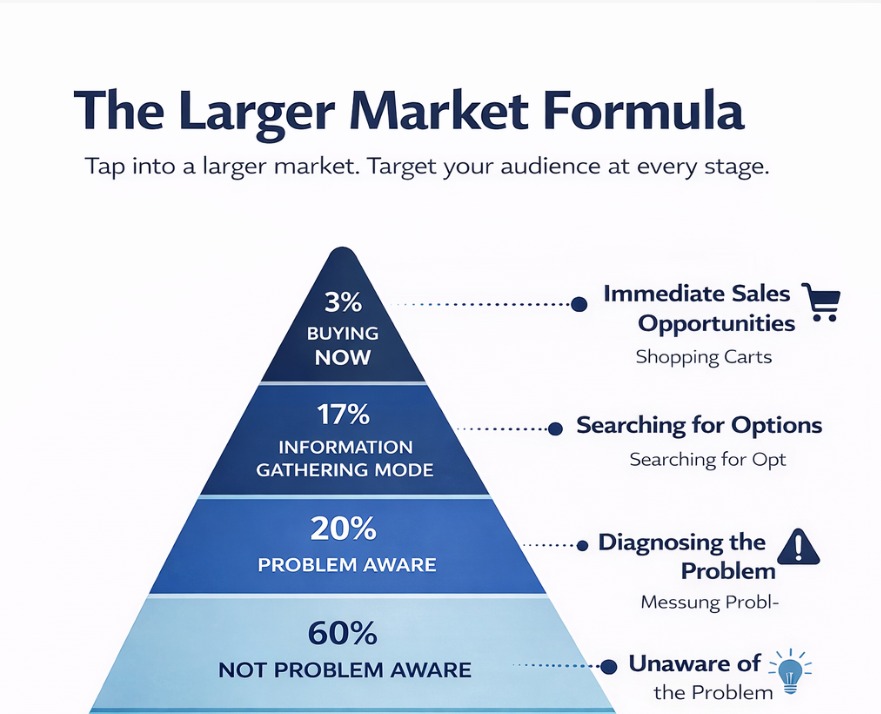
The Larger Market Formula divides audiences according to their level of awareness regarding a particular problem and its potential solutions. According to this framework, the market can generally be segmented into four key groups.3% Are Ready to Buy Now
This segment understands the problem. They recognize available solutions. They are actively evaluating providers and preparing to make a decision. These individuals often search for:- Pricing information.
- Case studies.
- Service comparisons.
- Customer testimonials.
- Consultation requests.
17% Are Gathering Information
These individuals know they have a challenge to address but are still researching potential approaches. They may search for questions such as:- What is SEO?
- How can I increase website traffic?
- How do I choose an SEO agency?
- How can businesses improve online visibility?
- Educational content.
- SEO-driven articles.
- Industry guides.
- Informational resources.
20% Recognize the Problem but Haven’t Started Searching
This group is aware that something is not working as expected. For example, they may experience:- Declining sales.
- Reduced engagement.
- Low conversion rates.
- Increasing advertising costs.
- Awareness campaigns.
- Thought leadership content.
- Email marketing initiatives.
- Retargeting strategies.
60% Are Unaware of the Problem
The largest segment of the market often does not realize that a problem exists. A business owner may assume declining performance results from market conditions, while the underlying issue could involve poor user experience, weak search visibility, or ineffective messaging. These audiences are not actively searching for services. Yet they can still be reached through:- Educational content.
- Social media initiatives.
- Short-form video content.
- Brand awareness campaigns.
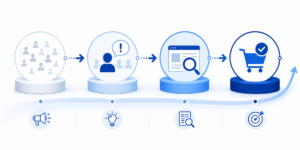
Customers do not move directly to purchase; they pass through several awareness stages that require different marketing messages.
Why Do Businesses Struggle With Growth?
Many organizations focus almost entirely on the 3% who are ready to buy. As competition increases, acquisition costs rise, and growth becomes increasingly difficult. In contrast, businesses that invest in awareness-building strategies continuously expand the pool of future customers. Instead of waiting for prospects to become purchase-ready independently, they guide them through each stage of awareness. This approach creates stronger relationships, enhances trust, and supports sustainable long-term growth.The Customer Journey Is Not Linear
One of the biggest misconceptions in marketing is assuming that customers move directly from awareness to purchase. In reality, most buyers progress through several stages, including:- Unaware.
- Problem aware.
- Information seeking.
- Solution evaluation.
- Purchase decision.
How Content Marketing Reaches Unaware Audiences
Many businesses view content marketing solely as a tool for improving search rankings. However, content serves a much broader purpose. It has the ability to educate, shape perceptions, build trust, and introduce potential customers to challenges they may not have previously recognized. Consider an e-commerce business experiencing declining sales. The business owner might assume that the issue stems from increased competition or changing consumer behavior. In reality, the root cause could involve:- Poor website usability.
- Weak messaging.
- A lack of search visibility.
- An ineffective conversion strategy.
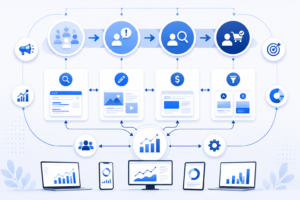
Sustainable growth requires connecting SEO, content, paid media and user experience across the full customer journey.
The Role of SEO in the Information-Gathering Stage
Once individuals recognize a challenge, they often turn to search engines for answers. At this stage, SEO becomes a critical component of the customer journey. Potential customers may search for questions such as:- How can I improve my website’s visibility?
- What are the benefits of SEO?
- How do I choose an SEO agency?
- Why isn’t my website generating leads?
How Paid Advertising Supports Purchase-Ready Customers
The 3% of customers who are prepared to buy immediately represent an important opportunity. These individuals often conduct highly commercial searches, including:- Best SEO agency in Saudi Arabia.
- Digital marketing services near me.
- SEO pricing packages.
- Request an SEO consultation.
- Increase visibility among high-intent prospects.
- Generate qualified leads quickly.
- Support short-term revenue objectives.
- Complement broader marketing initiatives.
Why CRO Matters in The Larger Market Formula
Attracting visitors is only one part of the equation. Businesses must also ensure that their websites encourage meaningful action. Conversion Rate Optimization (CRO) focuses on improving the likelihood that visitors will complete desired actions, such as:- Submitting an inquiry.
- Scheduling a consultation.
- Requesting a proposal.
- Completing a purchase.
- User journeys.
- Website clarity.
- Calls to action.
- Trust signals.
- Overall usability.
How WIDE Applies This Strategy in Practice
At WIDE, we believe that sustainable growth requires engaging audiences across multiple stages of awareness. Instead of focusing exclusively on immediate sales opportunities, we develop integrated strategies designed to support customers throughout their journeys.Building Awareness
Through initiatives such as:- Educational articles.
- Thought leadership content.
- Social media management.
- Short-form video campaigns.
Supporting Information Seekers
By investing in:- Search engine optimization.
- Search intent-driven content strategies.
- Topical authority development.
- Internal linking structures.
Engaging Purchase-Ready Audiences
Using approaches that include:- Paid advertising campaigns.
- Service-focused landing pages.
- Consultation offers.
- Conversion-oriented messaging.
Improving Performance Over Time
Through ongoing efforts involving:- Data analysis.
- User experience improvements.
- Conversion optimization.
- Strategic refinement.
Why The Larger Market Formula Matters for Saudi Businesses
Saudi Arabia’s digital landscape continues to evolve rapidly. Consumers have become more informed, competition has intensified, and purchasing decisions often involve multiple touchpoints before action is taken. A potential customer may:- Discover a brand through social media.
- Read an educational article through Google.
- Compare several providers.
- Return days or weeks later to request a consultation.
- Expand their addressable market.
- Build stronger relationships with potential customers.
- Improve the effectiveness of their marketing investments.
- Create more sustainable growth opportunities.
FAQ
What is The Larger Market Formula?
The Larger Market Formula explains that only a small percentage of people are ready to buy immediately, while the majority require education and awareness before making purchasing decisions.Why shouldn’t businesses focus only on ready-to-buy customers?
Because purchase-ready customers represent only a small segment of the market. Long-term growth comes from nurturing audiences across multiple stages of awareness.How does content marketing support this approach?
Content marketing educates audiences, builds trust, and helps potential customers progress from being unaware of a problem to actively seeking solutions.What role does SEO play in The Larger Market Formula?
SEO enables businesses to connect with information-seeking audiences who are researching problems and evaluating potential solutions before purchasing.Can small businesses benefit from this strategy?
Yes. Understanding customer awareness stages helps businesses allocate resources more effectively and compete through education and trust-building rather than relying solely on large advertising budgets.Related SEO Articles
Discover more articles about SEO strategies, search visibility, user behavior, and practical ways to attract more qualified customers through your website.
Why Doesn’t Your Website Appear in Google Search Results?
What Is Search Engine Optimization (SEO)?
How to Understand Search Intent and Attract More Customers
Why Do Websites Fail to Convert Visitors into Customers?
Entity-Based SEO: The Complete Guide for Saudi Businesses
The Plateau of Latent Potential: Why Digital Marketing Results Take Time
How to Choose an SEO Company in Saudi Arabia: A Practical Guide
The Larger Market Formula: Why Not Everyone Is Ready to Buy
SEO Pricing in Saudi Arabia: Costs, Packages and What to Expect
Backlinks in SEO: How to Build External Links That Improve Website Trust
Search Intent: How to Understand What Users Want and Get More Leads
Robots.txt File: How to Use It for Better Technical SEO
How to Prepare Your Business Website for Google AI Mode and AI Overviews
SEO for Businesses: How to Increase Visibility and Generate Qualified Leads
Why Doesn’t Your Website Rank on Google? Common SEO Mistakes That Hurt Your Visibility
Best SEO Tools for Businesses: The Complete Guide to Choosing Professional SEO Software